


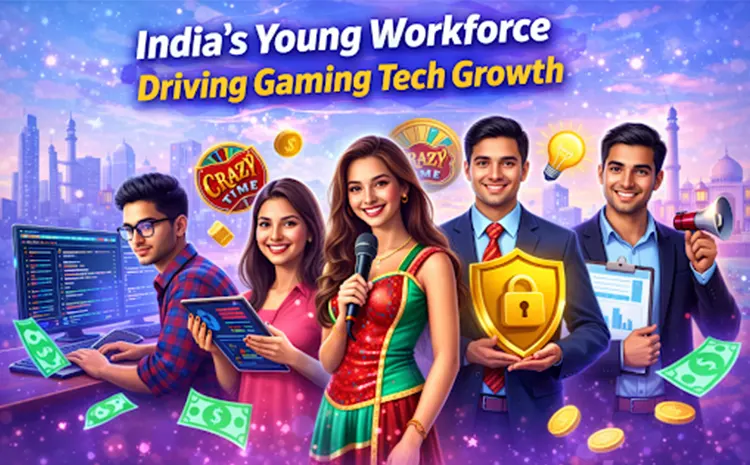
India’s digital generation is not just consuming games anymore. It is building them, analyzing them, and turning them into serious businesses. From large live productions such as the Crazy Time Game to homegrown mobile apps developed by small startup teams, the gaming tech industry has become a credible part of India’s broader technology story. What once looked like a niche entertainment sector now sits at the intersection of software development, data analytics, design, cloud computing, and digital finance.
The energy behind this shift comes largely from India’s young workforce. With one of the world’s youngest populations, the country has a natural advantage in industries that demand creativity, adaptability, and technical confidence.
A Demographic Advantage That Fuels Innovation
India adds millions of young professionals to the job market every year. Many of them are comfortable with coding languages, mobile app ecosystems, and digital tools before they even enter college. That early exposure matters.
Gaming platforms today require expertise in:
- Backend architecture and real time servers.
- Mobile optimization and UI design.
- Artificial intelligence and data modeling.
- Payment gateway integration and cybersecurity.
These are core technology skills, not side disciplines. Gaming companies in India increasingly recruit from engineering colleges, design schools, and even management institutes. There is also a cultural alignment. Young Indians grew up with smartphones, multiplayer titles, and live streaming. For them, gaming is not foreign. It is familiar territory.
Startups, Studios, and Scalable Platforms
The startup wave in India has expanded well beyond fintech and e-commerce. Gaming tech ventures now attract venture capital, angel funding, and institutional backing. Investors recognize the numbers. Engagement rates are high. Retention metrics are strong. Revenue models are evolving.
Modern gaming platforms are built like serious tech products. They rely on:
- Data dashboards that track player engagement.
- AI models for predictive analytics.
- Cloud infrastructure for seamless scaling.
- Fraud prevention systems.
This is not casual coding. It is structured, enterprise level development. Smaller development studios also find opportunities. Many begin by creating casual titles or building components for larger gaming ecosystems. Over time, some evolve into full platform operators.
Employment Beyond Developers
When people think of gaming tech jobs, they often picture programmers. But the industry supports a wider employment base.
There is growing demand for:
- UI and UX specialists.
- Live streaming hosts and production crews.
- Data analysts and compliance officers.
- Digital marketing strategists.
- Customer support professionals.
Even legal advisors and regulatory experts are part of the mix. As state level regulations evolve, compliance becomes an essential business function. The diversity of roles makes gaming tech attractive to both technical and non technical graduates.
The Role of Infrastructure and Policy
Affordable data and strong mobile penetration laid the groundwork. Now 5G expansion and improved cloud adoption are strengthening the ecosystem. Low latency connections support real time multiplayer formats and live interactive game shows. Secure digital payments through UPI and licensed gateways add trust.
Policy discussions around skill based gaming and digital regulation also influence growth. Clearer guidelines tend to encourage responsible innovation rather than slow it down. India’s regulators are increasingly aware that the gaming tech industry is not merely entertainment. It contributes to economic activity, tax revenue, and employment.
Global Reach with Local Talent
Indian gaming professionals are not limited to domestic markets. Many developers collaborate with international platforms. Remote working culture has further reduced geographic constraints. Indian studios now export talent and even entire gaming products overseas. Cost efficiency combined with technical expertise makes India competitive on the global stage.
There is also rising pride in building local brands. Indian audiences appreciate platforms that understand regional languages, cultural preferences, and payment habits. That sensitivity gives domestic companies an edge.
Challenges That Encourage Maturity
The growth story is strong, but it is not without obstacles. Skill gaps still exist in advanced AI applications. Regulatory clarity varies between states. Competition is intense.
Yet those challenges push companies to become more structured and transparent. Responsible gaming measures, cybersecurity audits, and compliance monitoring are becoming standard practice rather than optional extras. A maturing ecosystem benefits everyone involved.
Conclusion
India’s young workforce is shaping the future of the gaming tech industry with remarkable speed. What began as entertainment has evolved into a sophisticated technology vertical backed by data science, cloud infrastructure, and professional talent.
From large interactive productions like the Crazy Time Live Game to emerging homegrown startups, the sector reflects ambition and innovation. It creates jobs, attracts capital, and offers international opportunities for Indian professionals.
As long as infrastructure continues to improve and policies remain supportive of responsible growth, India’s gaming tech industry is likely to remain one of the most dynamic parts of the country’s digital economy.