


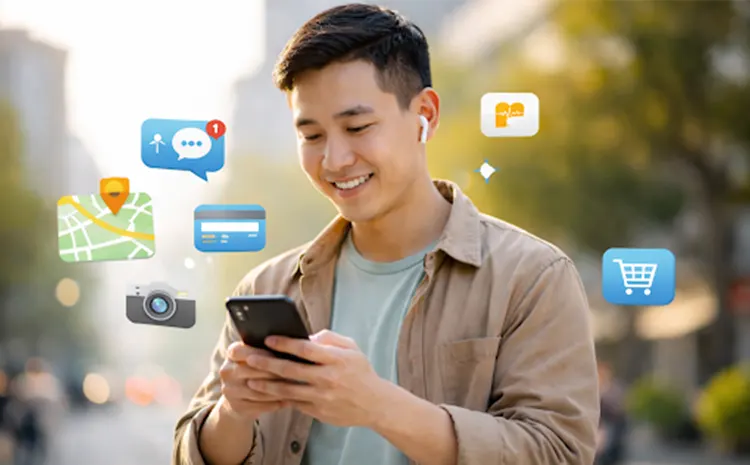
Phones were once simple devices. Calls — that was their only purpose. The shift happened gradually. Bit by bit, smartphones began taking over roles once handled by separate objects — navigation maps, compact cameras, portable music players, even the wallet people carried everywhere or the paper tickets tucked into a pocket.
Look at an ordinary day now. Notes appear on the screen, reminders pop up, photos are taken instantly, and short messages arrive throughout the day. Separate tools are rarely needed anymore. Through mobile apps people communicate, organize work tasks, manage finances, read news, and explore entertainment in many different forms. The same mobile environment hosts countless interactive services, from streaming platforms and casual games to online platforms like 1xBet casino, all existing alongside other types of digital content that users can access instantly from their phones.
Why smartphones became the main digital tool
A smartphone today acts as a compact digital hub where several everyday technologies operate side by side. People no longer need separate devices because many functions are available from the same interface, for example:
- Mobile internet for constant connectivity;
- GPS for location-based services;
- Cameras for visual communication;
- Biometric authentication for device security.
Mobile applications connect these capabilities with digital platforms where users follow news, statistics, and live sports updates. According to Statista, smartphones now serve as the primary gateway to most online services.
Top 10 things a smartphone helps you do today
During the day most people reach for their phone dozens of times. A message is sent, directions are checked, a payment is confirmed, or a quick search answers a question. Tasks that once required several separate devices now happen through one small screen.
1. Instant communication
A smartphone makes communication almost immediate. Messages appear within seconds, voice calls start instantly, and video conversations connect people across long distances. Mobile networks and internet access keep these interactions running continuously, which explains why many traditional communication tools gradually disappeared from everyday use.
2. Navigation and location services
Paper maps and standalone navigation units were once common travel tools. Now directions usually come from a mobile map app. GPS locates the device and updates the route continuously, while location services help users notice nearby cafés, stations, or unfamiliar streets.
3. Payments and digital wallets
Smartphones are now used for many everyday financial actions. A phone can store digital tickets, support contactless payments, and connect directly to banking applications.
Common mobile payment tools include:
- Contactless store payments;
- Digital tickets or boarding passes;
- Mobile banking transfers.
NFC technology and biometric authentication help confirm transactions quickly and securely.
4. Capturing photos and video
Capturing everyday moments no longer requires a dedicated camera. A phone is usually enough. Photos and short clips are taken within seconds, and many devices automatically adjust exposure, color balance, and focus before the image is even saved.
5. Work and productivity
A phone is often enough for small work tasks. While traveling, people reply to emails or quickly check a document before sending it. Files no longer stay on one device because cloud storage keeps them available almost everywhere. Many of these actions take only a minute and usually happen during short breaks in the day.
6. Learning and information search
A quick question often leads straight to the phone. Someone may search a phrase, translate a word, or open a short explanation online. Sometimes a brief tutorial video answers the question faster than a long article.
People often use smartphones to:
- Search for explanations;
- Translate unfamiliar phrases;
- Watch short educational content.
Voice search tools make the process even faster when typing is inconvenient.
7. Health tracking
Many smartphones quietly collect activity data during the day. Step counters, sleep tracking features, and connected wearable devices record movement and rest patterns. Applications display this information through simple charts, allowing users to observe habits and notice changes in their activity levels over time.
8. Controlling smart devices
Connected devices in a home or car can often be controlled from a smartphone. A light switches on, an appliance starts running, or a vehicle setting changes. Wireless connections such as Bluetooth, Wi-Fi, and IoT links allow these systems to respond almost immediately.
9. Entertainment and interactive online experiences
For many users the smartphone is also where digital entertainment begins. Videos play during short breaks, music streams through headphones, and mobile games appear whenever a few free minutes are available. Interactive online platforms are also accessed through the same device. Some mobile applications include interactive competitions or similar features where users share scores, progress, or achievements with others, and these formats are usually approached as entertainment rather than a dependable source of income.
10. Security and digital wellbeing
Modern smartphones also include tools designed to help manage digital habits.
Digital wellbeing tools include:
- Screen time limits;
- Focus modes;
- Notification control;
- Content filters.
These features help users understand how frequently they interact with applications and maintain healthier boundaries around screen time.
The smartphone as the central tool of modern digital life
A typical day now includes dozens of small interactions with a phone. Someone replies to messages, checks directions before leaving, confirms a payment, or briefly opens a work document while traveling. Many tools that people once used separately — cameras, paper maps, music players, or payment cards — now exist inside the same device carried in a pocket. Statista’s global smartphone adoption data also shows how widely mobile technology has spread across everyday routines.
This shift explains why a phone now replaces many standalone gadgets people carried in the past. Interactive entertainment and digital platforms also appear inside this ecosystem, although they are usually approached as a way to spend free time rather than a reliable method of earning money.